
PALAZZO MORANDO – MILAN
October 9, 2025 – January 4, 2026
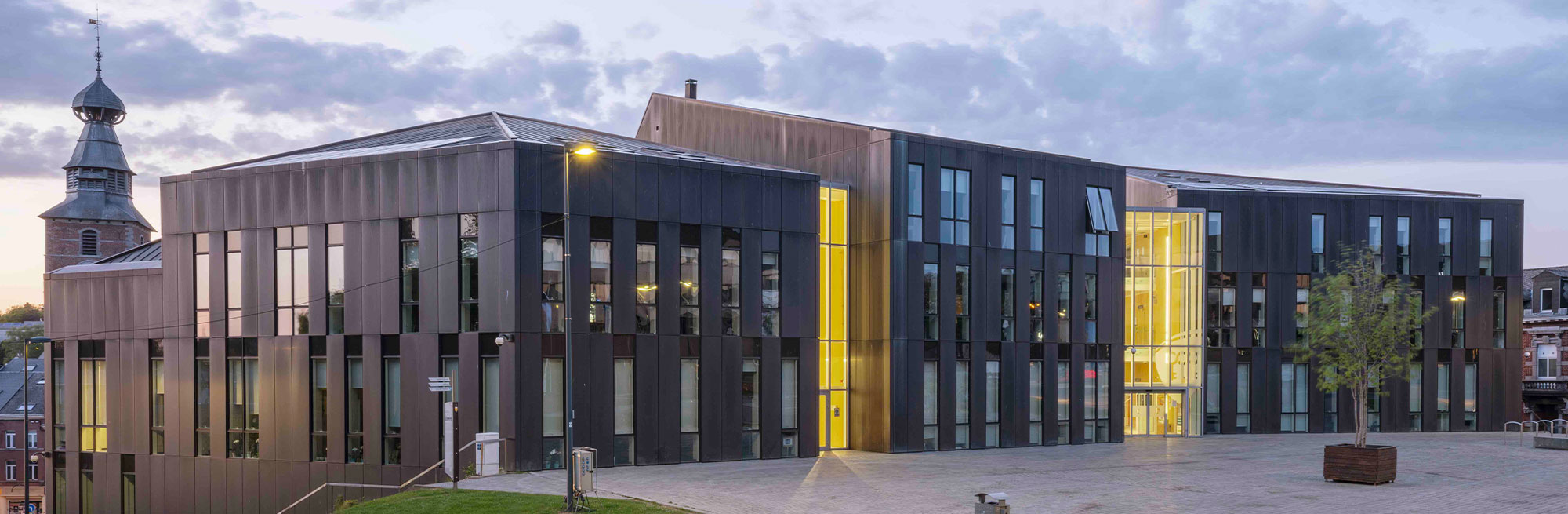
Fondazione Nicola Trussardi and Palazzo Morando | Costume Moda Immagine present Fata Morgana: Memories from the Invisible, an exhibition conceived and produced by the Fondazione Nicola Trussardi for Palazzo Morando | Costume Fashion Image, curated by Massimiliano Gioni, Daniel Birnbaum, and Marta Papini. The exhibition is conceived by the Nicola Trussardi Foundation specifically for the spaces of Palazzo Morando, a museum dedicated to the history of the city of Milan and the residence of Countess Lydia Caprara Morando Attendolo Bolognini (Alexandria, Egypt, 1876 – Vedano al Lambro, Monza Brianza, 1945), who between the 19th and 20th centuries amassed a vast library on occult, spiritual, and alchemical themes, now housed in the Civic Historical Archives and Library. Trivulziana.
It is from the figure of the Countess and this evocative place that the idea for a unique exhibition project takes shape, dedicated to artistic practices inspired by the invisible, psychic automation, and trance as a mode of creation.
Morgana the Fairy is a mythological character belonging to the cycle of legends of King Arthur and the Knights of the Round Table, often associated with mysterious places such as the island of Avalon, a land of passage between the world of the living and the dead. In the collective imagination, she is a powerful sorceress—sometimes benevolent, sometimes ruthless, guardian of secrets, illusions, and intermediate worlds, capable of powerful spells, enchantments, and deception—but also, in more recent interpretations, a free, independent, and nonconformist woman who lives without following the rules imposed by society. The exhibition draws inspiration from the poem Fata Morgana, written by André Breton in 1940, and intertwines history, art, and mysticism in a journey through visions, ecstasies, apparitions, and alternative imagery to explore the relationship between art, the occult, and inner dimensions. With paintings, photographs, documents, drawings, and ritual objects, Fata Morgana: Memories from the Invisible presents the works of mediums, mystics, visionaries, and artists who have opened bridges between the visible and the invisible. The exhibition explores the intersections between visual arts and paranormal phenomena, esotericism, spiritualism, theosophy, and symbolic practices, presenting a vibrant and fragmented panorama of research born on the margins of official history yet capable of radically transforming the conventions of art and society.
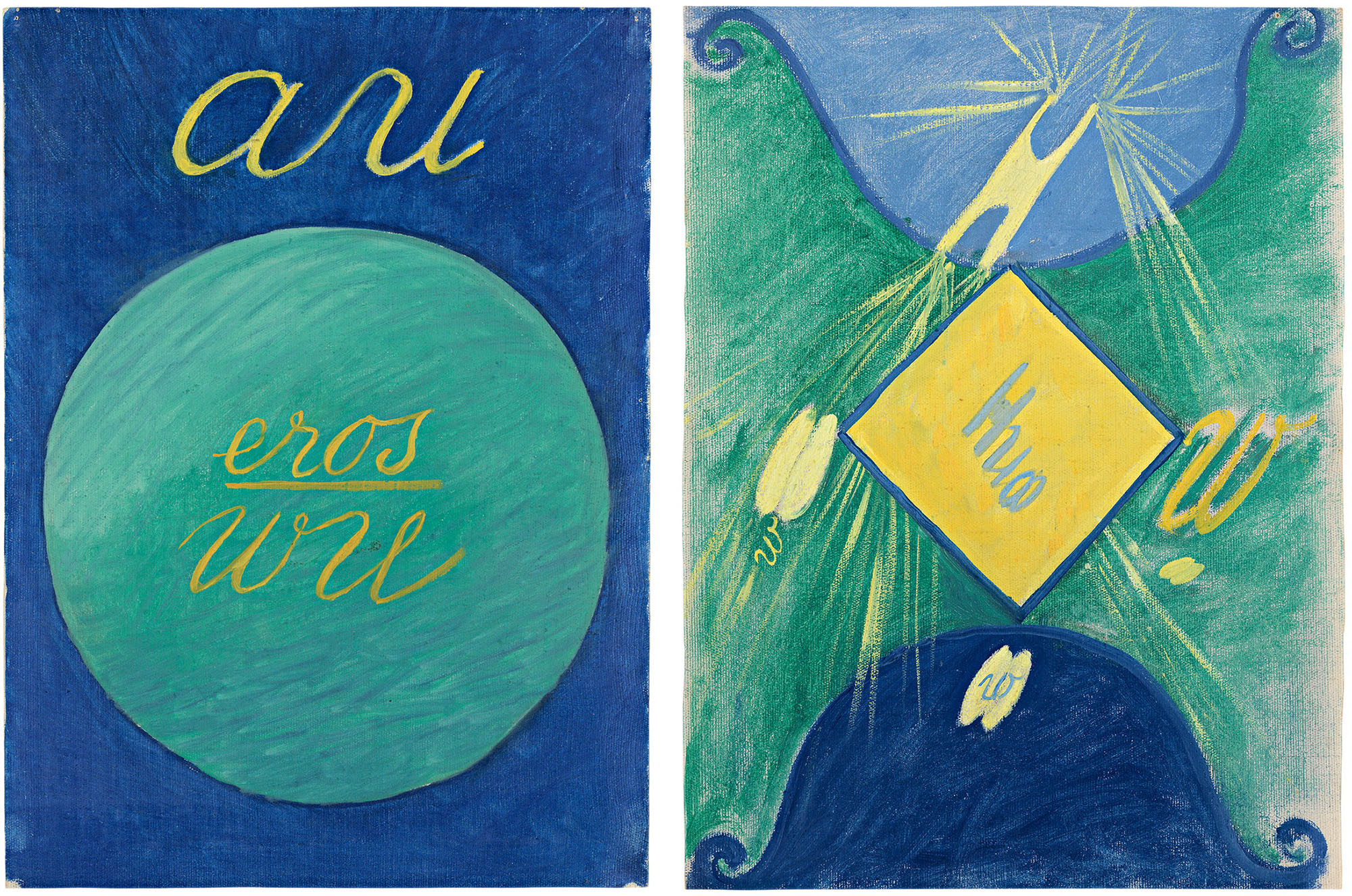
At the heart of the exhibition is a precious group of works by Hilma af Klint, the legendary Swedish painter who, at the beginning of the twentieth century – guided by mediumistic presences – developed a completely original abstract language, anticipating pioneers of abstraction such as Wassily Kandinsky and Piet Mondrian. This is a rare opportunity to admire in Italy a corpus of 16 canvases dating back to the very early phase of “automatic” experimentation: a significant opportunity, which is part of the growing international interest in af Klint’s work, rediscovered by the general public starting in 2013 thanks to the Venice Biennale (curated by Massimiliano Gioni) and the retrospective organized by the Moderna Museet in Stockholm (then directed by Daniel Birnbaum, who is also curator of the artist’s catalogue raisonné), and which is now the subject of a major exhibition at the MoMA in New York.
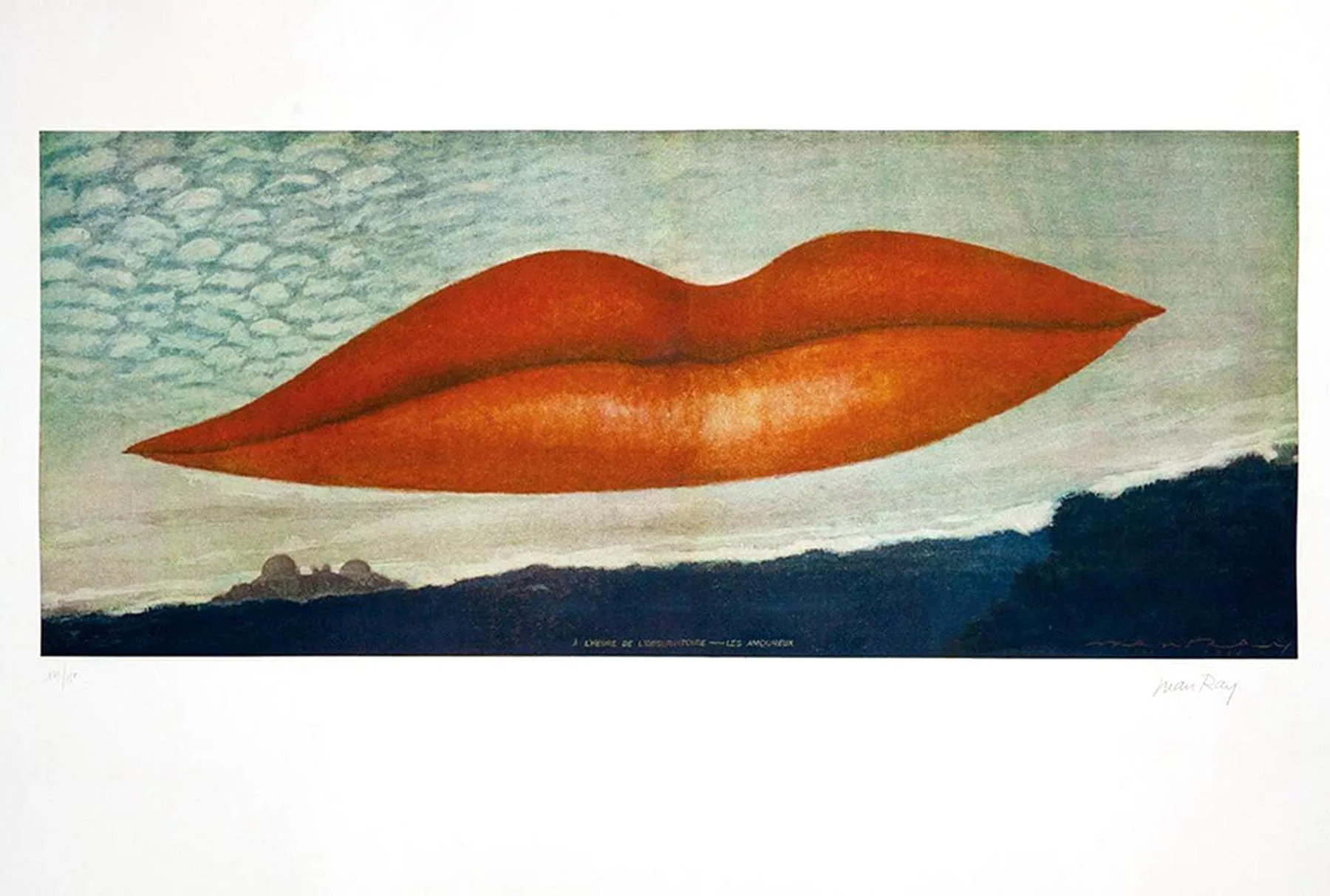
Alongside those of Hilma af Klint, works and documents by other extraordinary historical figures will be presented, including Georgiana Houghton, Emma Kunz, Linda Gazzera, Hélène Smith, Eusapia Palladino, Carol Rama, Man Ray, Pierre Klossowski, Victorien Sardou, Augustine Lesage, Annie Besant and Wilhelmine Assmann, who will be placed in dialogue with contemporary artists who have questioned the same themes through new media and new languages, such as, among others, Judy Chicago, Kerstin Brätsch, Marianna Simnett, Andra Ursu, Diego Marcon, and Chiara Fumai.
Also on display are some precious texts from the library of Countess Morando, on loan from the Biblioteca Trivulziana.
Fata Morgana: Memories from the Invisible does not aim to confirm the existence of the supernatural, but to reveal how, at different moments in history, practices considered eccentric have overturned artistic and social conventions, questioning gender hierarchies, scientific authority, and the limits of rational thought. In an era marked by new forms of obsession and neurosis, misinformation, and a fascination with mystery, the exhibition also reflects on the dangerous relationship between technology, spirituality, and power.
Through a network of visual narratives—from diagrams for “influencing machines” born in nineteenth-century psychiatric contexts to spirit photographs and testimonies of mediumistic sessions—Fata Morgana composes an atlas of the invisible, a mosaic of interior worlds, utopias, mental drifts, and radical alternatives to the dominant rationality.
With a selection of 286 works created by 78 historical and contemporary intellectuals and artists, the Fondazione Nicola Trussardi, through Fata Morgana: Memories from the Invisible, invites us to rethink the role of of the margin, the inexplicable, and the visionary in artistic creation, entrusting the project to a curatorial team with great international experience, which boasts for the first time in Italy two former Directors of the Venice Biennale, and making Palazzo Morando a portal to access other dimensions, suspended between past and present, between imagination and reality.
Fata Morgana: Memories from the Invisible
with works and documents by:
Hilma af Klint, Eileen Agar, Aloïse (Aloïse Corbaz), Giulia Andreani, Kenneth Anger, Antonin Artaud, Wilhelmine Assmann, Annie Besant, Hildegard von Bingen, Kerstin Brätsch, André Breton, Marguerite Burnat-Provins, Marian Spore Bush, Claude Cahun, Chiara Camoni, Milly Canavero, Guglielmo Castelli, Ferdinand Cheval, Judy Chicago, Fleury-Joseph Crépin, Maya Deren, Fernand Desmoulin, Marcel Duchamp, Germaine Dulac, Cecilia Edefalk, Max Ernst, Minnie Evans, Madame Favre, Olga Fröbe-Kapteyn, Chiara Fumai, Dominique Fung, Linda Gazzera, Madge Gill, Anna Hackel, Gertrude Honzatko-Mediz, Georgiana Houghton, Anna Mary Howitt Watts, Victor Hugo, Hector Hyppolite, Emma Jung, Corita Kent, Pierre Klossowski, Emma Kunz, Ethel Le Rossignol, Sheila Legge, Augustin Lesage, Lars Olof Loeld, Goshka Macuga, Diego Marcon, James Tilly Matthews, Henry Michaux, Lee Miller, Jacob Mohr, Sister Gertrude Morgan, Jill Mulleady, Nadja (Léona Delcourt), Louise Nevelson, Eusapia Palladino, Paulina Peavy, Stanisłava Popielska, Carol Rama, Man Ray, Victorien Sardou, Marianna Simnett, Hélene Smith (Catherine-Elise Müller), Kiki Smith, Lily Stockman, Rosemarie Trockel, Gustave Pierre Marie Le Goarant de Tromelin, Kaari Upson, Andra Ursuța, Giuseppe Versino, Vanda Vieira-Schmidt, Günter Weseler, Johanna Natalie Wintsch, Adolf Wölfli, Anna Zemánkovà, Unica Zürn.