
National Museums of Matera – Palazzo Lanfranchi – MATERA
July 7, 2026 – November 8, 2026
National Museums of Matera – Palazzo Lanfranchi – MATERA
July 7, 2026 – November 8, 2026
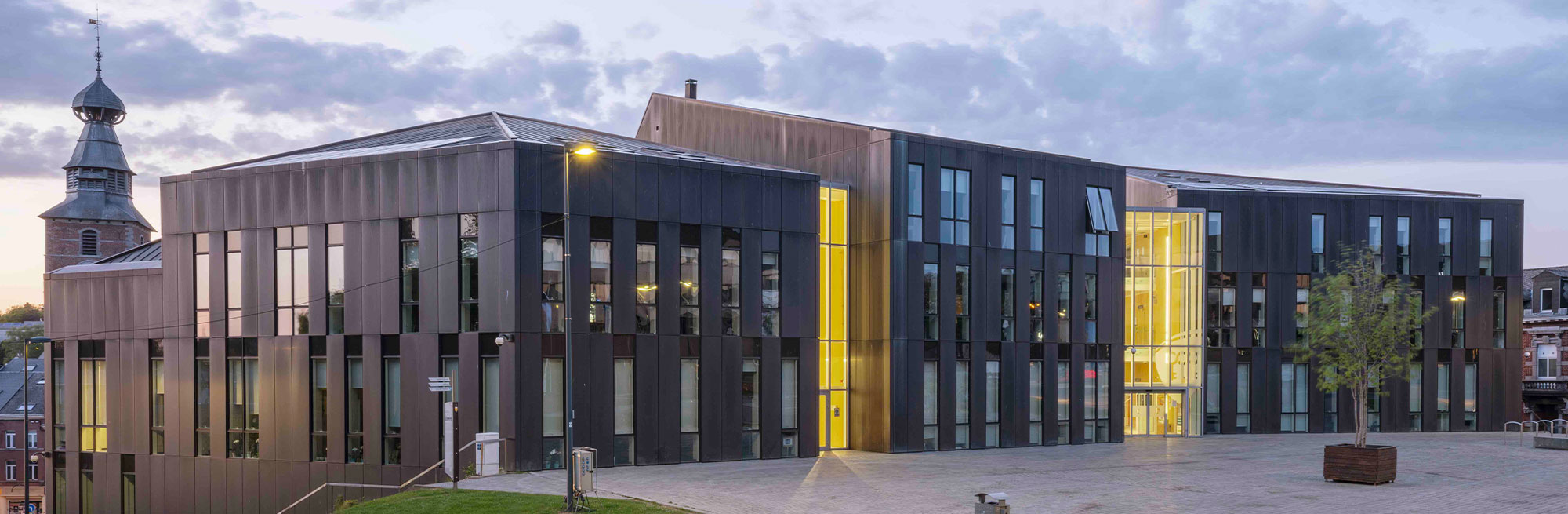
A contemporary look at the ancient, capable of restoring to the present day and renewing in the present the original aura of works and monuments of a lost Mediterranean. An immersion in the vision of the past through powerful images, the fruit of a transformative photographic art. This is Mimmo Jodice and more. Mediterraneo, the exhibition curated by Carlo Sala, will open to the public from July 7 to November 8, 2026, at the Palazzo Lanfranchi of the National Museums of Matera, before traveling to the Centre d’Art Moderne in Tetouan, Morocco, from early December 2026 to mid-February 2027.
Promoted by the Mission Unit for Cultural Cooperation with Africa and the Greater Mediterranean of the Ministry of Culture, in collaboration with the Municipality of Matera, the Matera Basilicata 2019 Foundation, the MUNAF – National Museum of Photography, and Studio Jodice, thanks to the support of the National Museums of Matera at Palazzo Lanfranchi, and with the scientific advice of the Directorate General for Contemporary Creativity of the Ministry of Culture, the exhibition is part of the Matera and Tetouan Mediterranean Capitals of Culture and Dialogue 2026 initiative, establishing a symbolic bond between the two shores of the Mediterranean.
The exhibition features 83 photographic works, 68 of which are vintage silver gelatin prints on baryta paper with selenium toning, created by the artist himself between the late 1980s and early 1990s and belonging to the celebrated Mediterraneo series. They come from the private collection “i Cotroneo, Rome” and were loaned for exhibition purposes by the collector himself and by the Farnesina Collection of the Ministry of Foreign Affairs and International Cooperation, which conserves and exhibits a portion of them. The exhibition is complemented by five large-format 140×100 cm works from the Dancers series and an appendix of ten vintage and modern works dedicated to Mimmo Jodice’s most recent research on the Mediterranean, from Studio Jodice. Together, they form the corpus of the first major institutional monographic exhibition since the artist’s death, an undisputed protagonist in the history of contemporary European photography. They also offer a unique opportunity to reintroduce and update the now historic Mediterraneo series, demonstrating how the artist has consistently and gently stubbornly returned to these explorations over the years.
The images are the fruit of numerous explorations of Mediterranean culture and archaeology, beginning with his native land, to which Jodice was always attached, with visions of Paestum, Pompeii, Cumae, and Baiae. The gaze then expands to a broader Mediterranean, stretching from Greece to Turkey, from Jordan to Tunisia, from France to Libya.
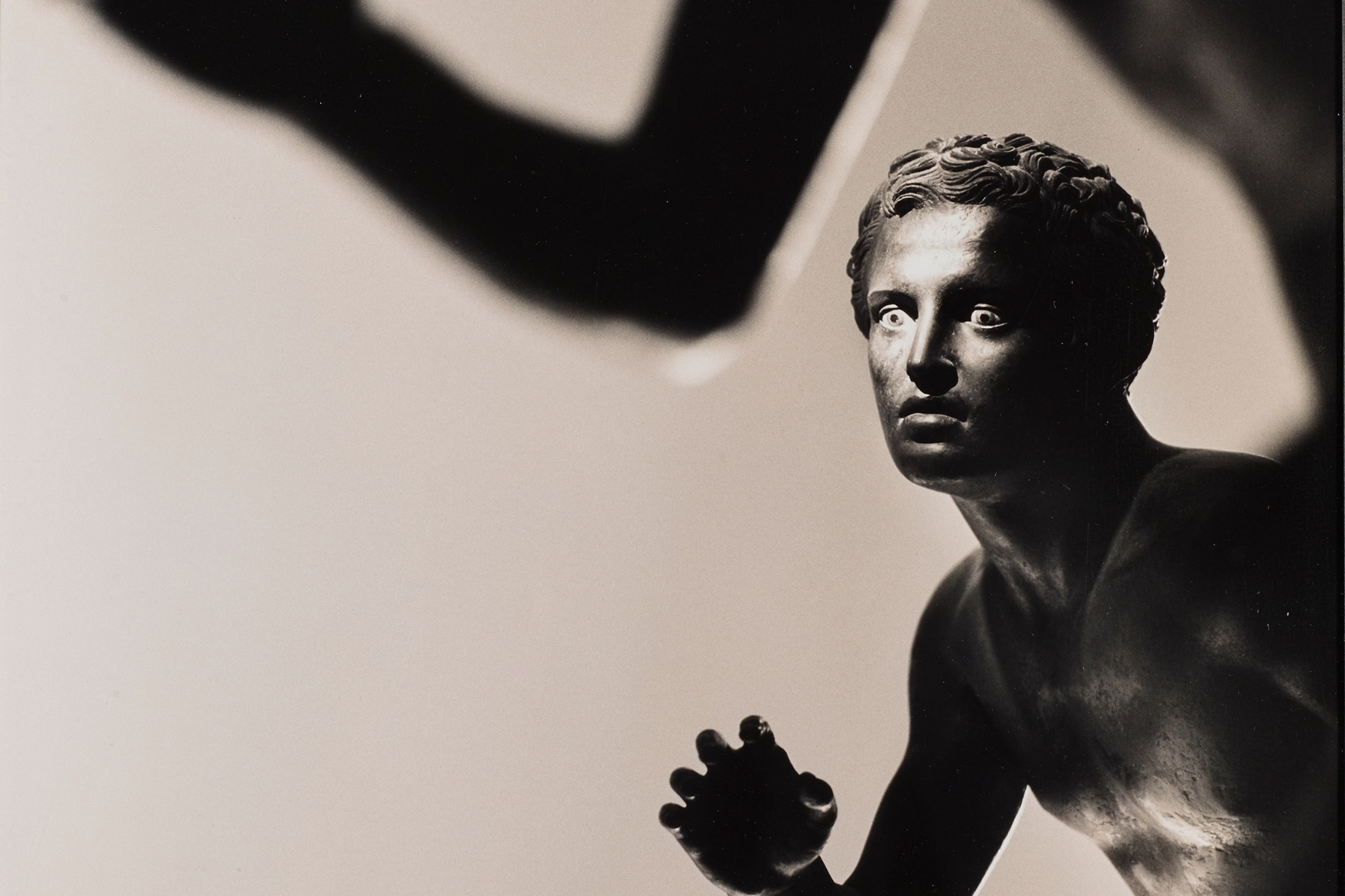
Among the most celebrated works are the Athletes from the Villa of the Papyri in Herculaneum and The Dancers, housed at the National Archaeological Museum of Naples, in which the ancient sculptures emerge from shadows that lend them a dynamic, almost vital impulse. These images, like all the others on display depicting monuments and statuary, are imbued with powerful emotional pathos, made possible by the artist’s skillful use of photography both during the shooting phase and in the darkroom, where he accentuated contrasts and rendered deep blacks and dazzling whites.
The exhibition also marks the occasion for the expanded and updated reissue of the book Mediterraneo, published by New York-based Aperture. The book accompanied a significant first exhibition of Jodice’s images at the Philadelphia Museum of Art in 1995 and is now published by Marsilio with graphic design by Studio Sonnoli and supplemented with additional works from the celebrated Mediterraneo series. The volume contains a curatorial essay by Carlo Sala, republishing the text by Predrag Matvejević from the 1995 edition, and includes a contribution by Salvatore Settis, previously published in the exhibition catalog Attesa (Electa, 2016) and presented here in its final version.